


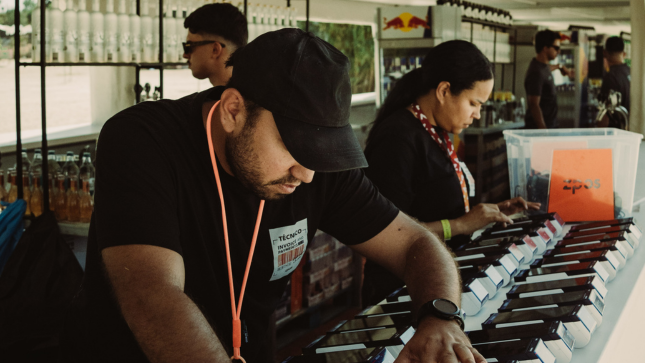
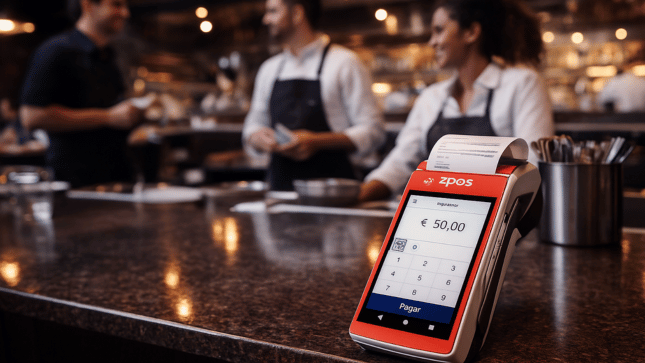


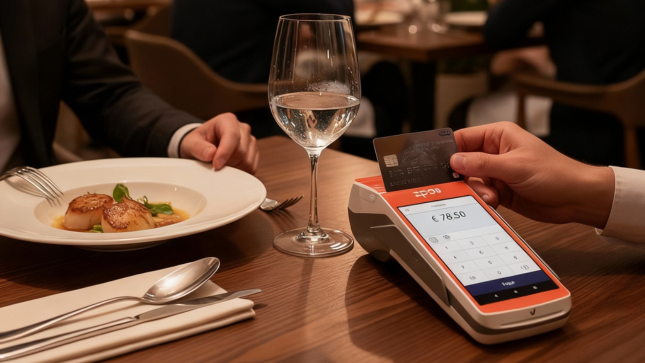

In a restaurant, the team is simultaneously the greatest asset and the greatest cost. They are the ones who create the experience, set the pace of service and uphold the reputation of the house. But they are also, very often, the point where profitability is decided.
Keeping labour costs between 25% and 30% of revenue is ideal, and achieving that balance is a challenge that requires planning, technology and leadership.
Why this number matters
Staff costs include salaries, social charges, training, meals, uniforms and other benefits.
On average, they represent a quarter to a third of all restaurant expenses. If they exceed 30%, there is a risk of the business losing margin; if they fall far below 25%, there is probably a lack of service or quality in the operation.
Keeping this healthy proportion ensures that the restaurant can pay well, motivate the team and still generate profit.
And, more importantly, it shows that the operation is aligned with the real volume of business.
How to calculate staff costs
The formula is simple but powerful:
Staff costs (%) = (Total staff expenses / Total revenue) × 100
Example:
If the restaurant billed €100,000 and spent €27,000 on staff, then (27,000 ÷ 100,000) × 100 = 27%
It is within the ideal range, which indicates balanced management between the team and revenue.
The most common challenges
Many restaurants lose profitability not because they sell little, but because they allocate human resources poorly.
The most common mistakes are:
• Excess staff during low-movement periods
• Lack of schedule planning and overlapping shifts
• High turnover, which increases training and recruitment costs
• No productivity targets per role
• Lack of integration between sales, schedules and performance
Without control, staff costs grow silently and profits disappear.
Strategies to keep costs balanced
Managing people intelligently is more than cutting hours or reducing teams. It is about optimising efficiency and increasing the value generated by each employee.
Some effective strategies include:
• Schedule planning based on sales data.
Using billing history and forecasts to adjust shifts to peak periods.
• Continuous training and versatility.
Employees capable of performing multiple tasks reduce the need for extra hires.
• Incentive systems.
Rewarding performance or sales goals motivates and increases productivity.
• Digital time and productivity control.
Automates hour registration, eliminates errors and allows analysis of the relationship between cost and revenue per shift.
• Constant analysis of team profitability.
A simple weekly report can show where the deviations are and how to correct them quickly.
The role of technology
In modern management, intuition gives way to data.
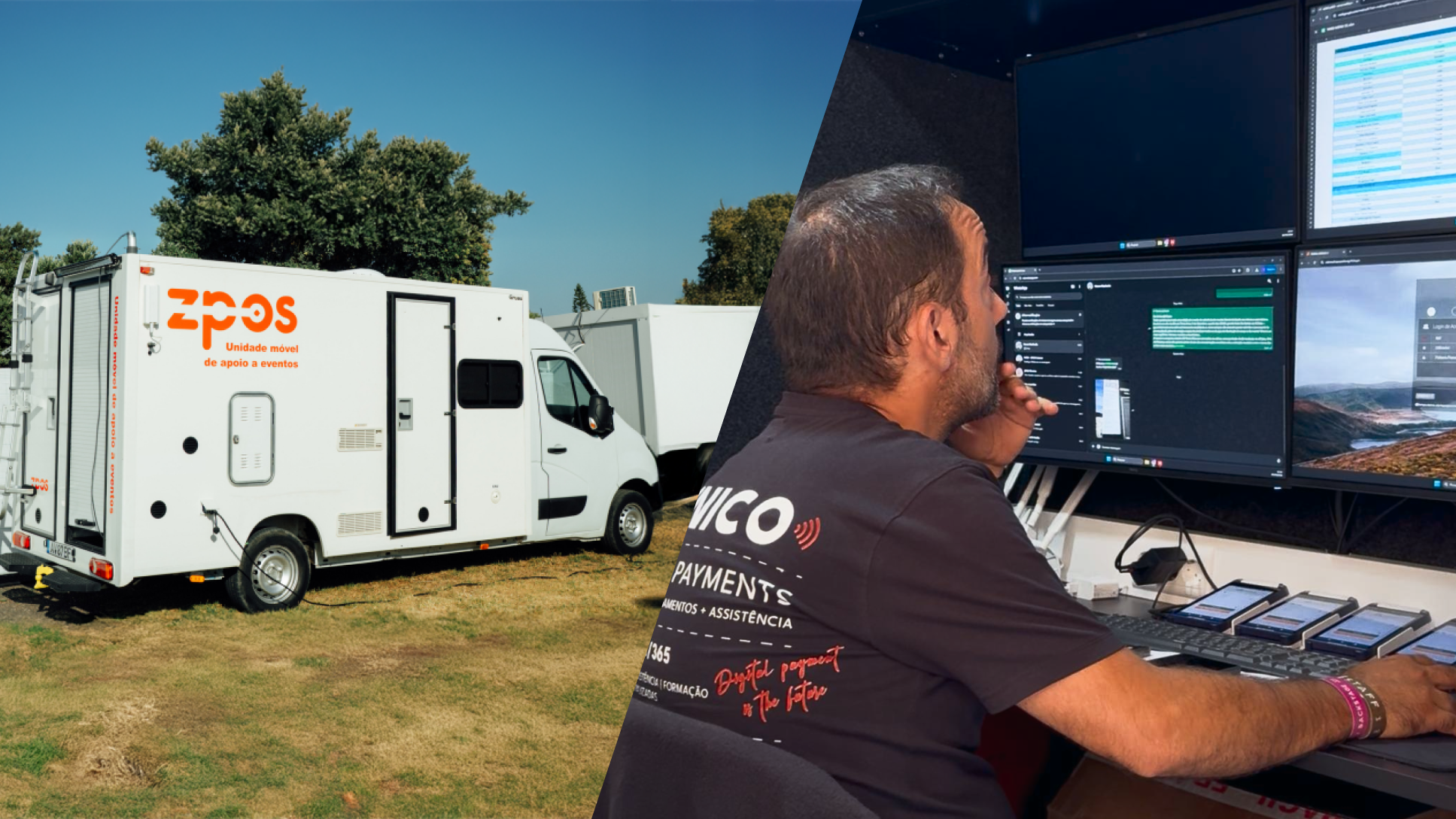
Solutions like the ZPOS software allow billing, point of sale and staff management to be connected in a single ecosystem.
With automated reports, the manager can:
• See labour cost in real time
• Analyse productivity per hour and per employee
• Correlate sales with team presence
With this integrated view, the restaurant stops reacting and starts anticipating needs, maintaining excellent service without wasting resources.
Staff costs are the human and financial heart of any restaurant.
Controlling them does not mean reducing teams, but increasing operational intelligence.
Efficient management ensures that every employee is productive, motivated and aligned with the goals of the business.
When leadership is supported by technology like the ZPOS ecosystem, the manager stops guessing and starts making clear decisions.
And that is the point where the restaurant becomes truly sustainable: with a valued team, balanced costs and solid results.
Because, in the end, profitability begins with people but depends on management.
👉 Contact us at comercial@zpos.pt or call +351 937 817 997 (national mobile call) to discover how ZPOS can transform your business.
"*" indicates required fields
"*" indicates required fields
"*" indicates required fields